
Are Samsung Galaxy Phones Waterproof? – Everything You Need to Know
The Short Version
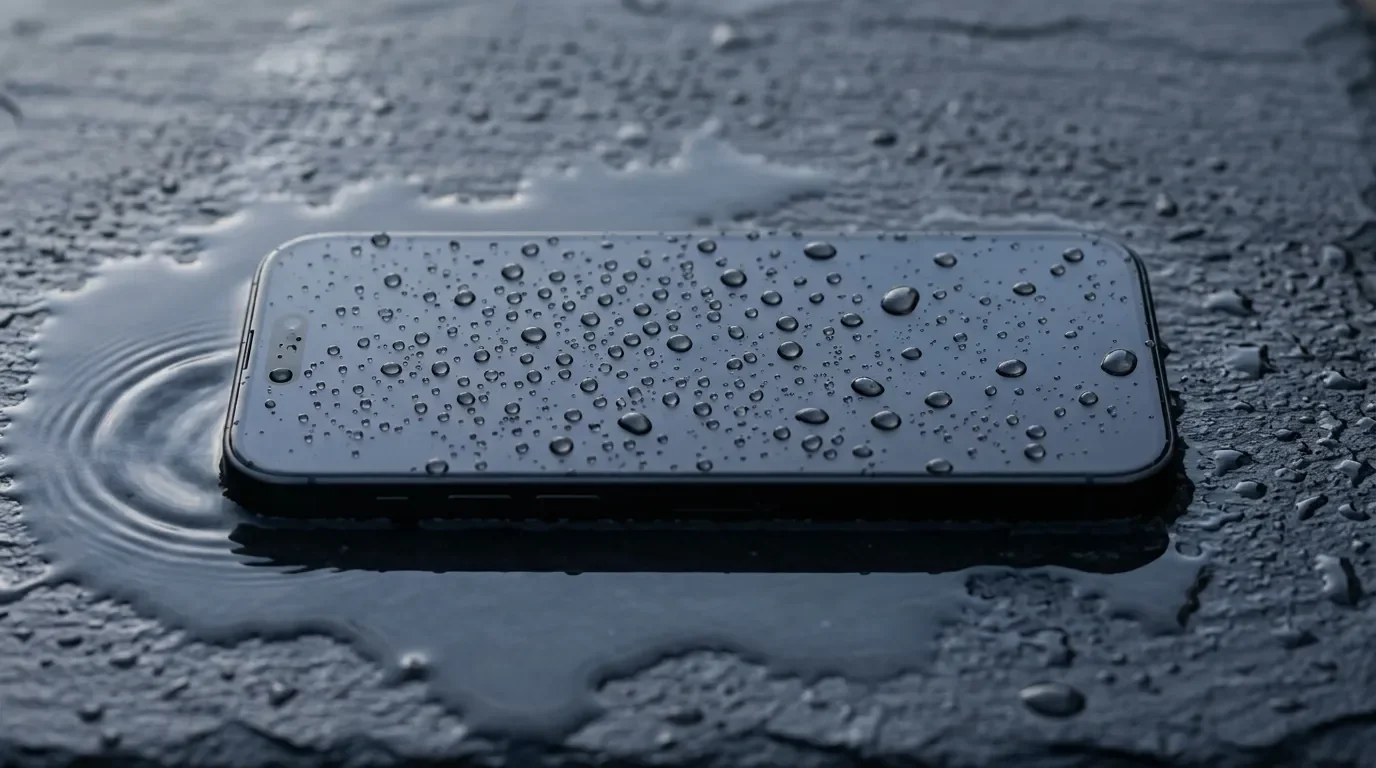
No Samsung Galaxy phone is waterproof - and Samsung is careful never to claim one is. Here's what you actually get: nearly every Galaxy S flagship since 2016's Galaxy S7, the current S26 series included, carries an IP68 water resistance rating, which means a brand-new unit survived a lab test in up to 1.5 meters of still, fresh water for up to 30 minutes. Samsung's official water-resistance list spells out the rating for every model - and the word "waterproof" appears exactly nowhere on it.
- Fine: rain, sweat, spills, a drop in the sink. Fish it out, dry it off, move on.
- Risky: showers, pools, beaches, hot tubs. Heat, soap, chlorine and salt all sit outside the rating.
- Never: swim sessions, salt water without a fresh-water rinse afterward, pressure washers-and charging the phone while it's still wet.
The rest of this post is the receipts: the exact rating for every current Galaxy, what that rating actually proves, and how phones really die.
Samsung Galaxy Water Resistance: Every Model at a Glance
Every number below comes from Samsung's own spec sheets and its official IP list, which also states the quiet part out loud: if a model isn't listed, it has no IP rating at all.
| Model | IP rating | Rated depth | Rated time | Notes |
|---|---|---|---|---|
| Galaxy S26 / S26+ / S26 Ultra | IP68 | 1.5 m fresh water | 30 min | Current flagships (announced February 2026) |
| Galaxy S25 / S25+ / S25 Ultra / S25 Edge / S25 FE | IP68 | 1.5 m | 30 min | "Not advised for beach or pool use" per Samsung's footnote. The Edge is absent from Samsung's support list; its product page confirms IP68 |
| Galaxy S24 / S24+ / S24 Ultra / S24 FE | IP68 | 1.5 m | 30 min | |
| Galaxy S23 / S23+ / S23 Ultra / S23 FE | IP68 | 1.5 m | 30 min | |
| Galaxy S22 / S22+ / S22 Ultra | IP68 | 1.5 m | 30 min | |
| Galaxy S21 / S21+ / S21 Ultra / S21 FE | IP68 | 1.5 m | 30 min | Seals are five years old now |
| Galaxy Z Fold8 / Z Fold8 Ultra / Z Flip8 | IP48 | 1.5 m | 30 min | Flagship water rating, minimal dust protection |
| Galaxy Z Fold7 / Z Flip7 | IP48 | 1.5 m | 30 min | Prior generation, same caveat |
| Galaxy Z Flip7 FE | IPX8 | 1.5 m | 30 min | Water tested, no dust rating at all |
| Galaxy Z TriFold | IP48 | 1.5 m | 30 min | Same hinge caveat |
| Galaxy A57 5G / A37 5G | IP68 | 1.5 m | 30 min | IP68 returns to the mid-range (2026) |
| Galaxy A56 / A36 / A26 5G | IP67 | 1 m | 30 min | One meter, not 1.5 |
| Galaxy A27 5G | IP64 | Splashes only | – | No immersion rating |
| Galaxy A17 5G / A16 5G | IP54 | Splashes only | – | No immersion rating |
| Older models (S7 through S20 series, Note8–Note20, XCover6 Pro) | IP68 | 1.5 m | 30 min | Samsung excludes the S10 5G. Rating assumes new seals – these aren't |
Two things stand out. First, the water spec has been frozen at 1.5 meters for 30 minutes for a decade. Second, the two places buyers actually get burned are the foldables (that "4") and the cheaper A-series (splash protection only). Both get their own sections below.
What IP68 Actually Means (and Why “Waterproof” Is the Wrong Word)
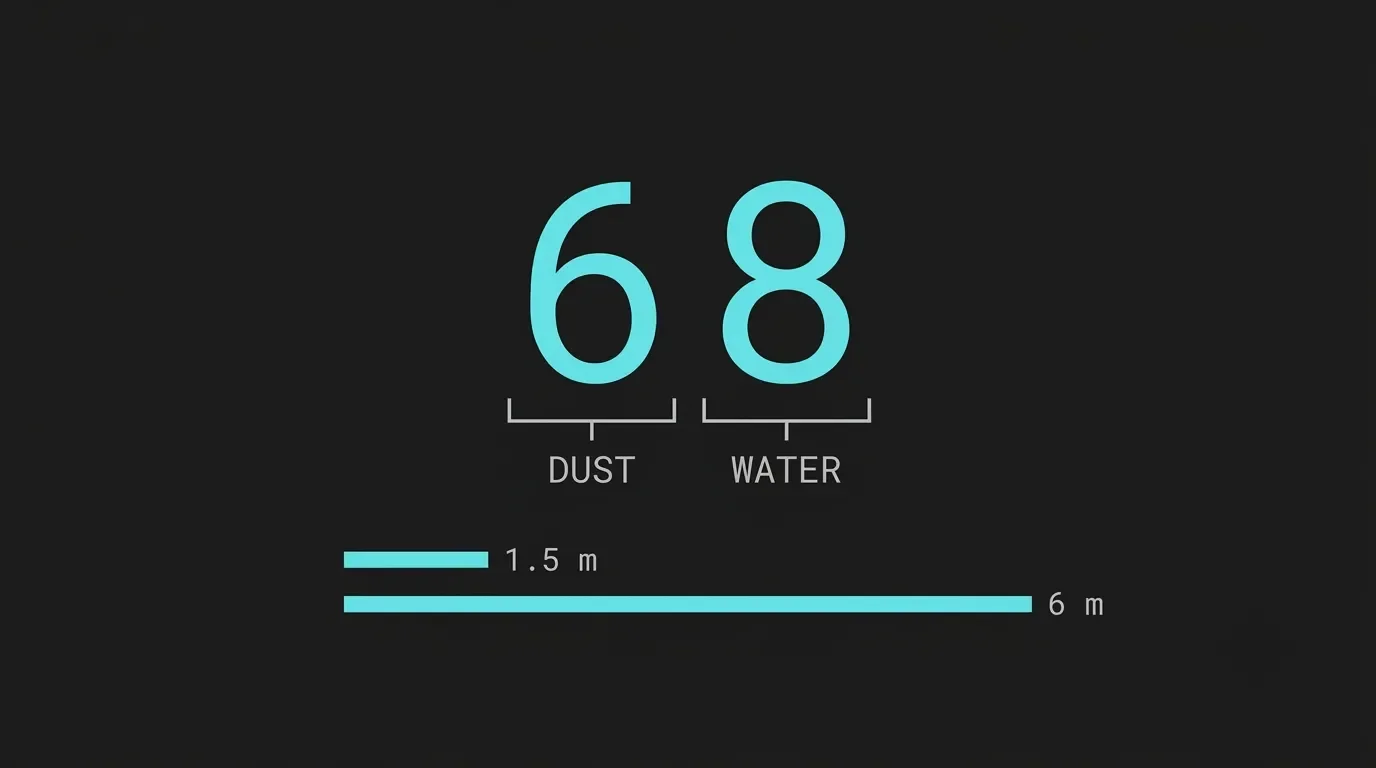
IP codes come from IEC 60529, a standard first published in 1976 largely because words like "waterproof" mean whatever a marketing department wants them to mean. Two digits. The first grades protection against solids from 0 to 6, where 6 is dust-tight. The second grades water protection: 7 means immersion at one meter for 30 minutes, and 8 means "continuous immersion" under conditions the manufacturer declares – anything tougher than level 7 qualifies.
Read that again: for the 8, the manufacturer picks the test. Samsung declares 1.5 meters of still fresh water for 30 minutes. Apple declares six meters for the iPhone 12 through 17 generations. Same IP68 badge, four times the depth. Neither covers your pool – but it shows how much room that little label leaves.
The test conditions are the other half of the story. Per Samsung's own support documentation, the phone is submerged in clean, still fresh water and left there "without any movement". No waves, no chlorine, no hot shower – and a factory-fresh unit. Samsung has never described these phones any other way: its support documentation says water resistant, its spec footnotes say water resistant, and "waterproof" appears nowhere on the official IP list.
My shorthand: an IP rating is a crash test, not an invincibility badge. Passing a crash test means the car protected its dummy in one standardized accident. It doesn't make crashing a hobby.
One more spec-sheet wrinkle: water digits don't stack. An immersion rating says nothing about pressurized jets, which is a separate test – that's why brands like OnePlus and Honor now advertise IP68 plus IP69 on their latest flagships, where that 9 covers high-pressure, high-temperature jets rather than deeper water. Impressive on paper. Still not a swimming permit.
Is Your Galaxy Waterproof? Model by Model
Newest first. Unless noted otherwise, the rating is Samsung's declared IP68: up to 1.5 meters of still fresh water, up to 30 minutes, tested new.
Is the Samsung Galaxy S26 / S26 Ultra Waterproof?
No – water resistant, IP68. The S26, S26+ and S26 Ultra were announced on 25 February 2026 and reached shelves on 11 March (from $899.99; the Ultra from $1,299.99), and the rating carried over from the S25 unchanged: same depth, same 30 minutes.
The footnote did change, though. Samsung's S25 fine print said "not advised for beach or pool use". The S26 spec footnote drops that sentence and keeps only the lab conditions, the dust-tight claim, and the warning that resistance "is not permanent and may diminish over time because of normal wear and tear". The Fold8 and A57 footnotes still carry the beach and pool line. The hardware promise hasn't moved in years, and I read that as deliberate – Samsung knows exactly where its lawyers drew the line. The wording around it is what keeps shifting.
Is the Samsung Galaxy S25 / S25 Ultra Waterproof?
The single most-searched version of this question is "is the Samsung S25 Ultra waterproof", and the answer is still no – it's water resistant. IP68 covers the whole family: S25, S25+, S25 Ultra, S25 Edge and S25 FE. Samsung's list even gives the Ultra's S Pen its own IP68 rating, which is a genuinely fun spec to know. One oddity worth flagging: the Edge is missing from that support list, which elsewhere states that any model not listed has no IP rating at all. The S25 Edge product page does confirm IP68, so read the omission as housekeeping rather than a spec.
The S25 launch material also contains my favorite piece of fine print Samsung has ever published. The official announcement's footnote rates the phone under lab conditions, calls it "not advised for beach or pool use", and admits water resistance "is not permanent and may diminish over time". That footnote is basically this article in miniature.
Is the Samsung Galaxy S24 / S24 Ultra Waterproof?
Same answer: S24, S24+, S24 Ultra and S24 FE are all IP68, all 1.5 meters for 30 minutes. If you searched for an "S24 Ultra waterproof test" hoping someone re-certifies these things independently – nobody does. The IEC publishes the standard but doesn't test phones, so the number on the spec sheet is Samsung's own declared lab result.
Is the Samsung Galaxy S23 / S23 Ultra Waterproof?
IP68 across the S23 family, FE included. The caveat that starts to matter here is age. These phones are three years old now, and adhesive seals live a hard life of heat cycles, drops and pocket grit. Samsung's own wording – resistance "may diminish over time because of normal wear and tear" – comes with no timeline and no re-test program. Treat a three-year-old rating as a probably, not a spec.
Is the Samsung Galaxy S22 / S22 Ultra Waterproof?
IP68 for the S22, S22+ and S22 Ultra, confirmed on Samsung's own support page. Everything in the S23 paragraph applies here too, with one more year of wear on the seals.
Is the Samsung Galaxy S21 / S21 Ultra Waterproof?
Still IP68, from the S21 through the S21 Ultra and the FE. But these seals are five years old. If your S21 has made it this far, congratulations – and maybe stop testing its luck near the bathtub.
Are Samsung Galaxy A-Series Phones Waterproof?
This is the section where you genuinely need to check your exact model, because the 2026 A-series spans four tiers:
IP68 – Galaxy A57 5G and A37 5G. New for 2026, and the first time flagship-grade water resistance has been back in the mainstream A-series since 2018's Galaxy A8.
IP67 – Galaxy A56, A36 and A26 5G: immersion to one meter for 30 minutes.
IP64 – Galaxy A27 5G: splash resistant, no immersion rating.
IP54 – Galaxy A17 5G and A16 5G: fresh-water splashes only. Keep them away from the sink.
Below that: nothing. Remember Samsung's rule – if a model isn't on the list, it has no rating at all.
Are the Samsung Galaxy Foldables Waterproof? (Z Fold8, Z Flip8 and the Z TriFold)
Every current Samsung foldable but one is rated IP48, not IP68. That covers the Z Fold8, Z Fold8 Ultra and Z Flip8 from July 2026, the $2,899 Z TriFold, and the previous Fold7 and Flip7. The exception is the Galaxy Z Flip7 FE, which Samsung lists as IPX8: water tested, dust untested, exactly like the Fold3 through Fold5 generation.
The water half is genuinely flagship-grade: the same 1.5 meters of fresh water for 30 minutes. The dust half is not. Samsung's own Z TriFold footnote defines the "4" as protection against a solid object greater than one millimeter, "such as a wire", then says the quiet part in four words: not dust- or sand-resistant. Beach sand is smaller than a millimeter. I think the moving hinge as the reason no foldable has gone dust-tight, though nobody outside Samsung has shown it's impossible. Practical translation: a foldable survives the sink like any S26 would, but I'd keep one much farther from sand than a slab phone.
What IP68 Does Not Cover
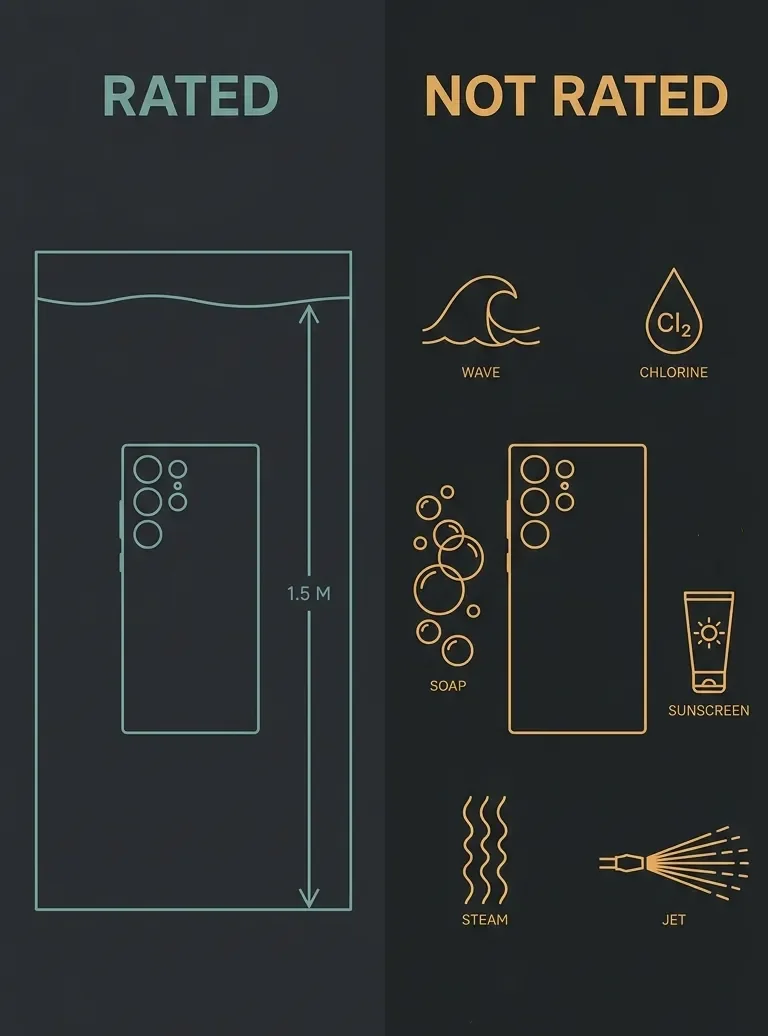
Samsung's guidance reads like a list of everywhere people actually take their phones. Excluded, per Samsung: salt water, pool water, soapy water, oils, perfumes, sunscreen, hand sanitizer, chemical products and liquids containing alcohol – plus high-pressure water and saunas or steam rooms. Notice the pattern. The certification is cold, clean, still fresh water. Real life involves heat, chemistry or movement, usually all three at once – the same reasoning that keeps a smartwatch out of the shower.
Samsung isn't internally consistent about this, which is worth knowing before you take advice from any single page. Its US support page cheerfully invites you to the beach and the water park, asking only that you not drop the phone in the ocean or on a waterslide, while its spec footnotes say beach and pool use is not advised. When a company disagrees with itself, follow the more cautious document. That's the one written by the people who handle warranty claims.
Two more things live in the fine print. The touchscreen may not respond while the phone is wet. And the protection ages: Samsung says resistance is "not permanent", offers no schedule for how fast it fades, and – the part with financial teeth – liquid damage is not covered by the standard warranty.
If you want proof of how wide the gap between the ads and the fine print once got, there's a court case for it. In 2022, Samsung Australia was ordered to pay AU$14 million in penalties over nine ads published between March 2016 and October 2018 showing seven Galaxy models – the S7, S7 Edge, A5 (2017), A7 (2017), S8, S8+ and Note 8 – being used in pool and sea water. More than 3.1 million of those phones were sold in Australia. Samsung acknowledged there was "a material prospect the charging port would become corroded and stop working if the phone was charged while still wet". The detail that stays with me is in the regulator's own wording: Samsung's parent company was already working to mitigate that corrosion before those phones launched. The ads showed swimming. The test tank never did.
What I See When a “Waterproof” Phone Lands on the Counter
I've spent years doing part-time retail tech support, and wet phones aren't a surprise there – they're a season. The first warm week of the year brings pool phones and lake phones. July brings beach phones with salt crust in the speaker grille. Shower phones arrive year-round, each owner slightly offended, because technically "it was never even submerged".
The choreography at the counter is always the same. Eject the SIM tray, angle it into the light, and check the liquid damage indicator – a small marker that's white when dry and turns pink, purple or red on liquid contact. That little sticker has ended more warranty conversations than any sentence I've ever said, because liquid damage counts as physical damage and sits outside Samsung's standard limited warranty. In the US, Samsung Care+ covers liquid as accidental damage – roughly $3 a month for an A-series phone up to about $13 for a Z Fold, plus a service fee on approved claims. Samsung advertises $29 for cracked screens and back glass; other repairs cost more, and the tiers move, so read the current device schedule before you buy. Without coverage, the math turns grim fast. One repair shop answering on iFixit put it bluntly:
“99% of water damaged Samsung’s we get in don’t get repaired due to the cost of a new screen. Sometimes works out cheaper to buy a new phone.”
By the way, the dunk itself is rarely what kills the phone. It's the week after. The charger plugged into a port that was still damp. The salt that never got rinsed off and quietly worked on the contacts. Corrosion takes its time, which is exactly why the phone that "was fine" dies on Thursday. Meanwhile, a fair share of dramatic "moisture detected" moments turn out to be a damp cable or a humid bathroom – Samsung itself acknowledges the sensor can trip without water ever reaching the port. Those customers get good news. The ones who charged through the warning usually don't.
Your Galaxy Got Wet: What to Do in the Next 30 Minutes
What I tell people, in order:
Get it out and power it off. Don't "quickly check" anything.
If it went into salt water, Samsung says to wash it with fresh water and then dry it thoroughly. Sounds wrong; it's Samsung's own instruction, and Apple gives the same advice for any liquid that isn't water. Rinse it still, never under a running tap. Salt and chlorine keep working long after the swim ends.
Wipe everything dry with a soft cloth: lenses, buttons, around the SIM tray.
Tap it gently against your palm, USB port facing down, to drain the connector.
Air-dry it in a ventilated spot; a fan is fine. No rice – Apple's support docs warn that rice particles can damage the port, and the physics doesn't care what logo is on the phone. No hair dryer, no radiator, no compressed air, nothing poked into the port.
Leave the cable alone until the water-drop warning clears. Samsung's instruction is blunt: don't connect the charger or accessories until the phone is completely dry. Apple explains the mechanism – charge a wet port and the pins can corrode and cause permanent damage – and suggests waiting at least five hours before cable charging, with a port sometimes taking a full day to dry. That is precisely the failure mode behind the Australian case above. If you're desperate, wireless charging on a dried-off back is the lesser evil – and a Qi2 wireless charger parked on the desk is the one accessory here I would call insurance, because it means never choosing between a dead phone and a damp port.
Back up as soon as the phone lets you, and get it checked if anything misbehaves. Corrosion can surface days later – and Samsung's warranty terms disclaim lost data, too.
Do You Need a Waterproof Case for a Galaxy?
For rain, spills and sink accidents: no. That's precisely the accident class IP68 exists for. My commute between Solingen and Düsseldorf has rained on my phone more times than I can count, and it has never once mattered.
For swimming, snorkeling, boats or a beach day: yes – not because the rating is fake, but because everything those days involve (salt, chlorine, sand, movement) sits outside it. Even OtterBox, a company that exists to sell protection, labels its regular cases non-submersible.
What I'd actually buy, as of writing:
A floating, fully sealed pouch for water days. For example, the Pelican's Marine Floating XL (rated to one meter, about $25, and it floats if it goes overboard). The floating part is the whole argument: it turns a phone lost overboard into a phone that is merely wet. Twenty to sixty dollars to protect a four-figure phone is the easiest math in this hobby.
A sealed case only if you must. Ghostek and Encased sell sealed cases for Galaxy flagships in the roughly $30–100 range with vendor-claimed IP68. I couldn't find independent lab certification for either – and since the IEC doesn't test products, an accessory's "IP68" is a self-declared claim unless a named third-party lab shows up in the listing. Trust accordingly.
A real camera if water photos are the point. If underwater shots are the actual goal, stop shopping for cases – a GoPro HERO is built for the job and rated for water without a footnote arguing about it.
The honest hierarchy: pouch beats sealed case, and “phone stays in the dry bag” beats both. For kayak and beach days I use a Sea to Summit dry sack for the whole pile – phone, keys, wallet – because the phone that never meets water wins by default.
Verdict
Rated for accidents, not activities. If you keep five words from this post, keep those.
Nearly every Galaxy S flagship since 2016 – and, new this year, even the mid-range A57 and A37 – will shrug off rain, spills and the occasional sink baptism. That's real engineering, and it's worth paying for. But no Galaxy is certified for pools, oceans, showers or hot tubs; the protection fades as the seals age; and the warranty stops exactly where the water starts. Treat IP68 like an airbag: deeply reassuring, never the plan.
Deciding between ecosystems? Apple's declared depth is bigger, the liquid-damage exclusion is the same, and over on Apple's wearables the fine print is nearly identical on the other side of the aisle. More device deep-dives live on the tech hub.
What stuck with me while writing this is how little the number has moved. Ten years of new hinges, new chipsets and new AI features, and the water line is still half an hour at 1.5 meters. Samsung has known exactly where its limit sits the entire time; it's the product photography, and our own optimism, that keep wandering past it.
Your turn: has a Galaxy of yours walked away from a swim, or quietly given up a week later? Tell me what happened in the comments below, and say whether it was salt water or chlorine. Those stories are more useful to the next reader than any lab rating.
If you'd rather not read manufacturer support pages for fun, that's more or less the job description of my tech newsletter: every issue takes one spec claim apart and checks it against the documentation nobody reads. Pick the one you want here.
FAQ
-
I wouldn't. Samsung's exclusion list rules out soapy water, saunas and steam rooms, and a shower serves all three problems at once: heat, chemistry and a bit of pressure. Shower phones show up at the counter year-round, and their owners are always surprised, because nobody ever dunked anything. The certification describes a still tank of cool fresh water, and a shower is none of those words.
-
No. Samsung's own S25 launch footnote calls the phone "not advised for beach or pool use", and nothing in the S26's rating changed that. Chlorine and sea salt are both on the excluded-liquids list, and the touchscreen may not respond while it's wet, which makes underwater shooting awkward even in the moments it works. If you want water photos, the phone belongs in a rated pouch.
-
Liquid damage isn't covered by the standard limited warranty, because it counts as physical damage rather than a manufacturing defect. That's what the liquid damage indicator in the SIM tray is for: white when dry, pink or red after contact with liquid, and it usually ends the discussion before it starts. Samsung Care+ does treat liquid as accidental damage, at roughly $3 a month for an A-series phone up to about $13 for a Z Fold, plus a service fee on approved claims – Samsung advertises $29 for screen and back glass repairs, with other repairs costing more. Those are the US figures and they change, so check the current terms in your own market.
-
Usually because the sensor is more sensitive than your eyes. A slightly damp cable or a humid bathroom can trip the alert with no real water in the port, and Samsung acknowledges the sensor can fire in those conditions. Leave the cable out, let the port air-dry somewhere ventilated, and wait for the warning to clear by itself. If you genuinely need power before then, wireless charging on a dry back is the safer route.
-
For water, yes, but by less than the numbering implies. IP67 means immersion at one meter for 30 minutes, while the 8 means continuous immersion under conditions the manufacturer declares, which for Samsung phones is 1.5 meters for that same half hour. Both digits assume clean, still fresh water and a factory-new device. In practice, the gap between an IP67 Galaxy A56 and an IP68 Galaxy S26 matters far less than which liquid you drop it in.
-
Yes. Samsung's official IP list gives the S25 Ultra's S Pen its own IP68 rating, which sounds like an unnecessary spec right up until you find a stylus in a puddle. The same caveats apply as to the phone: fresh water, no pressure, and not a swimming accessory.
-
Not in any certified sense. Sealed cases for Galaxy flagships advertise IP68 protection, but those are self-declared claims, and I couldn't find independent lab certification behind the ones I looked at; the IEC writes the standard and doesn't test products. A floating pouch is the option I trust more, partly because it's simpler and partly because it doesn't depend on you seating a gasket perfectly. If a rating is the reason you're buying, look for a named third-party lab in the listing.
-
Samsung doesn't say, which is both the honest answer and an unsatisfying one. The official wording is that resistance is not permanent and may diminish over time through normal wear and tear, with no timeline attached and no way to have a phone re-tested. Heat cycles, drops and pocket grit all work away at the adhesive seals, so a three-year-old S23 deserves more caution than a new S26. As covered above, I read an older phone's rating as a reasonable expectation rather than a guarantee.



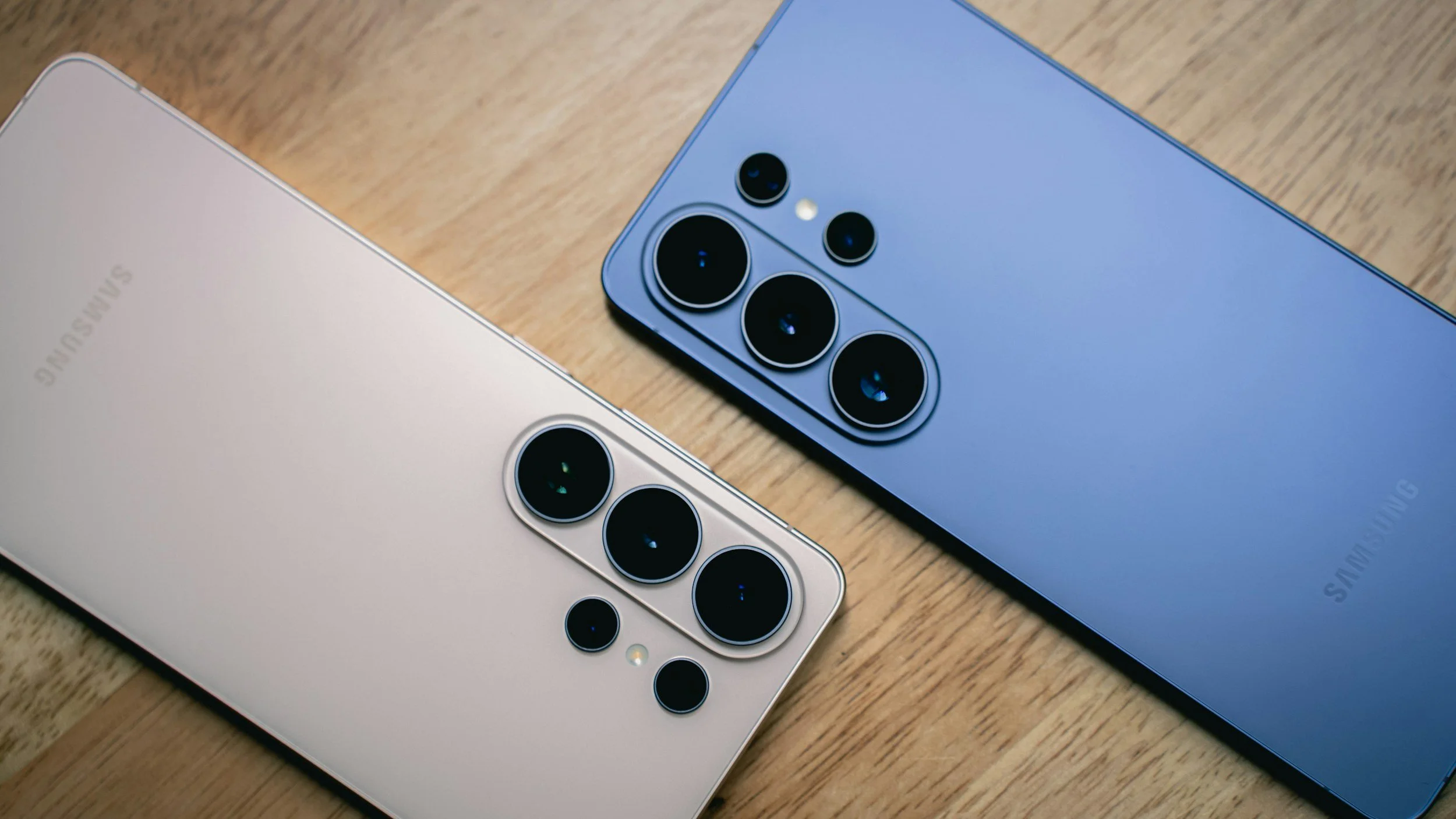


Every Galaxy S flagship since the S7 is IP68 rated – but IP68 isn't waterproof. See the exact rating for every Samsung Galaxy model and what really voids it.